Erin Dale McClellan, President, on behalf of the Fertile Ground Board of Directors
Fertile Ground Food Cooperative (FGFC) started in 2011 as a dinner conversation about cooperative organizing among a small group of Southeast Raleigh residents. In 2013, after the closure of three area grocery stores, the ideas discussed in that casual conversation solidified into an exploration of how cooperative development could allow the community to take control of its economic future. Eight residents pooled $800 and committed to bringing a member-owned, democratically run grocery store to the area. In the years since, FGFC has been doing the work to bring that commitment to fruition. Today, that small group of initial investors has grown to over 1,084 members!
Across the globe, cooperative enterprises have provided organizations a structure for economic independence and self-determination. African Americans cite the Black experience of mutual aid and shared economic activity — also known as ujamaa or cooperative economics — as a core survival strategy in Black and Indigenous communities.
FGFC continues this tradition of ujamaa alongside a growing number of Black-led grocery store cooperatives in the US. Currently, 60+ such cooperatives are open or in development. Operational stores include Mandela Grocery Cooperative in Oakland, CA; Gem City Market in Dayton, OH; and The Detroit People’s Food Cooperative in Detroit, MI. Many others are in development, including four (in addition to FGFC) in North Carolina alone: Three Sisters Market in Charlotte, NC; The Front Porch in Warrenton, NC; and Northside Food Coop in Wilmington, NC.
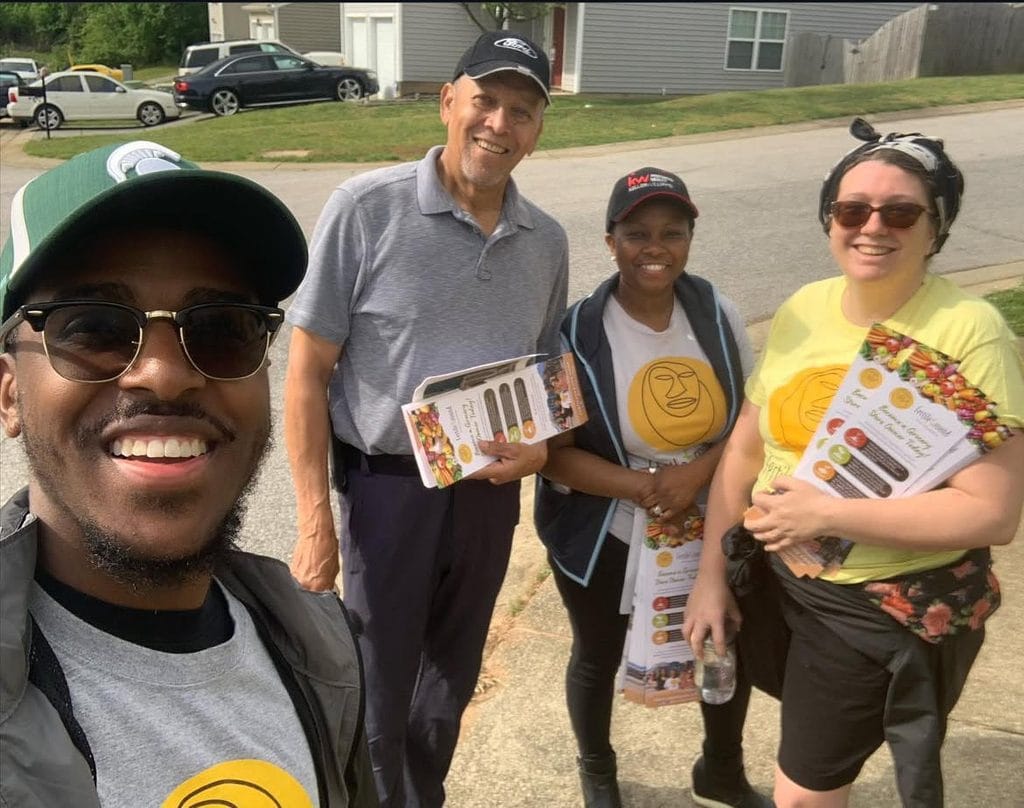
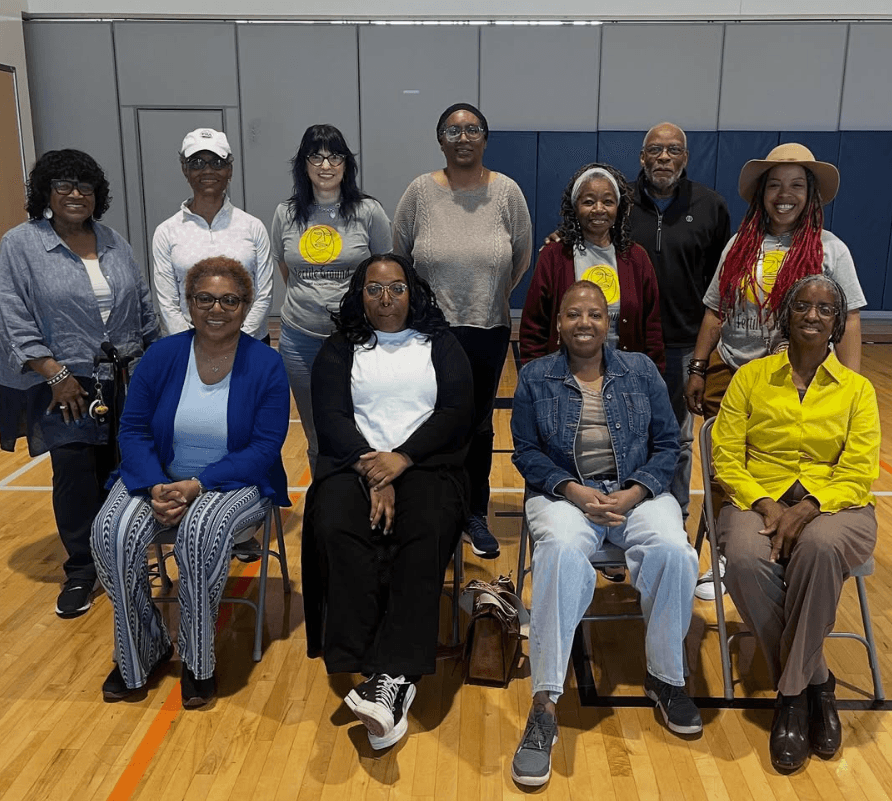
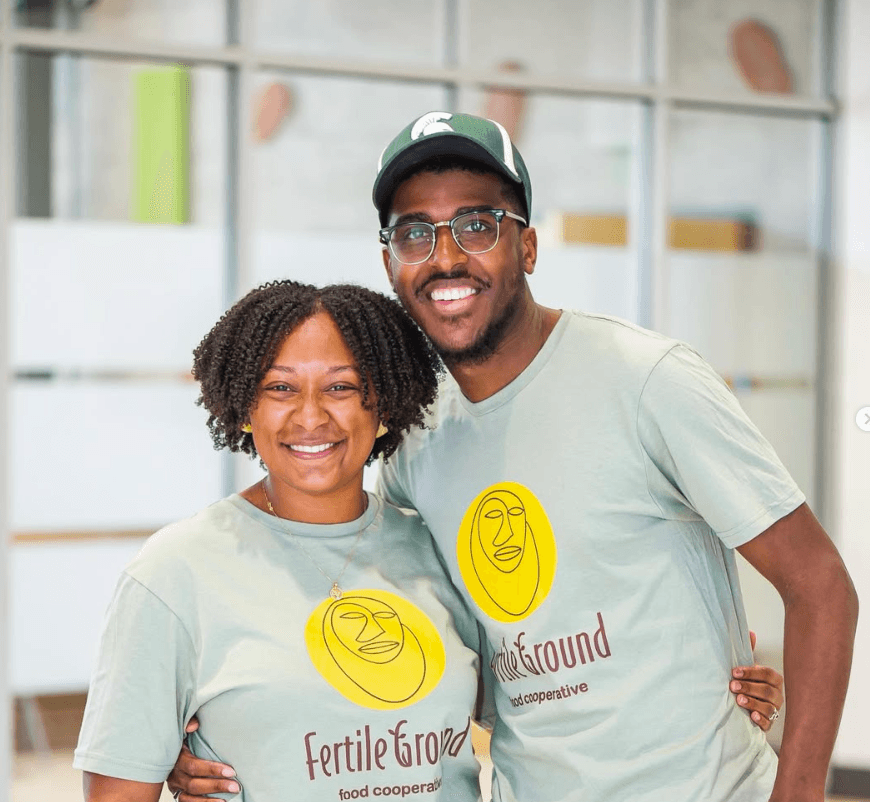
Where We’ve Been
In 2013, after officially incorporating, FGFC ordered a study to assess the feasibility of a cooperative grocery store in Southeast Raleigh, a traditionally segregated, majority African American quadrant of the city. Early members coordinated and participated in numerous local activities to raise awareness about the cooperative’s potential to provide the community control of its economic future. The cooperative’s members attended farmers’ markets, made wellness calls to community members, held online social media events, ran crowdfunding and membership campaigns, and hosted regular community meetings. We consulted with other cooperatives across the country to learn and share best practices. And, crucially, we examined what it would take financially to open and maintain a store. How much would it cost to build? How much to stock and staff it? How much would we likely need in loans and grants? And how much profit would the store need to make to repay any debt we took on?
The COVID pandemic posed a significant challenge to our efforts to progress toward opening our store. Outreach and organizing efforts were understandably complicated by the need to ensure people’s safety. In the midst of this, however, FGFC’s members continued to push forward. Organized by board member Janet Howard, members delivered weekly fruit and vegetable boxes to 150 SE Raleigh households in both 2020 and 2021. Additionally, FGFC helped to bring the Black Farmers’ Market to Raleigh, giving members the opportunity to talk to more people about our mission and build valuable relationships with regional Black farmers.
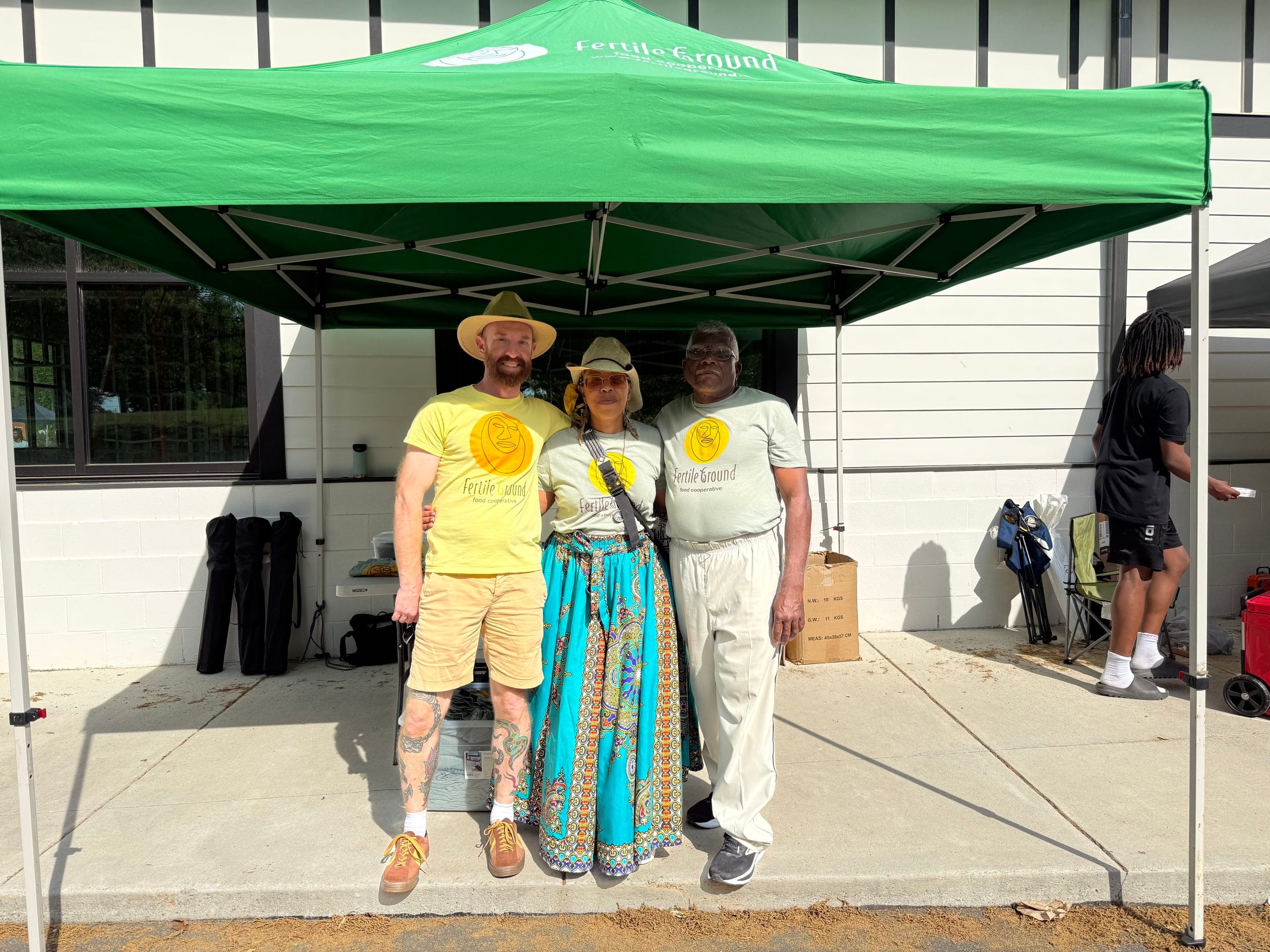
After COVID
We have been in community with and learned from a number of the Black-led co-ops under development around the country. Through these conversations, we can see the outlines of the cooperative economy we are building.
To promote the development of this cooperative economy leadership from Fertile Ground, Gem City Market, and The National Black Food and Justice Alliance and Piece by Piece founded the Collective Courage Fund. The Fund, which also includes many cooperators as governing members, was created as a source of startup funds for Black-led co-ops. It has already raised over $1.2 million, which has been distributed to 60+ Black-led cooperatives across the country since 2021.
After a lengthy search led by former board member Ajamu Dillahunt, we found a viable site for the store, which was announced in June 2023. Fertile Ground’s home will be on Garner Rd., adjacent to the JD Lewis Community Center. We have secured a loan for 30 years at the cost of $1 a month, with the provision that we break ground before the end of 2027. Once we secured our site, we began working with Raleigh-based architecture firm Andre Johnson Architects (AJA). In keeping with the cooperative spirit that guides all of FGFC’s work, AJA invited the community and member-owners to provide input on the store’s design and features and incorporated their ideas into the renderings of our future grocery store. Since AJA presented its final design in 2023, we’ve been working to raise the $8 million needed to break ground. We anticipate that construction will start in 2026.
To empower our members to take an active part in Fertile Ground’s development during this critical period, we’ve offered spokesperson, tabling, and phone banking training opportunities, as well as training for new board members in the responsibilities of their positions. Additionally, we’ve hosted seed giveaways, Juneteenth events, and Co-op 101 training to better engage and educate the wider public in Raleigh.
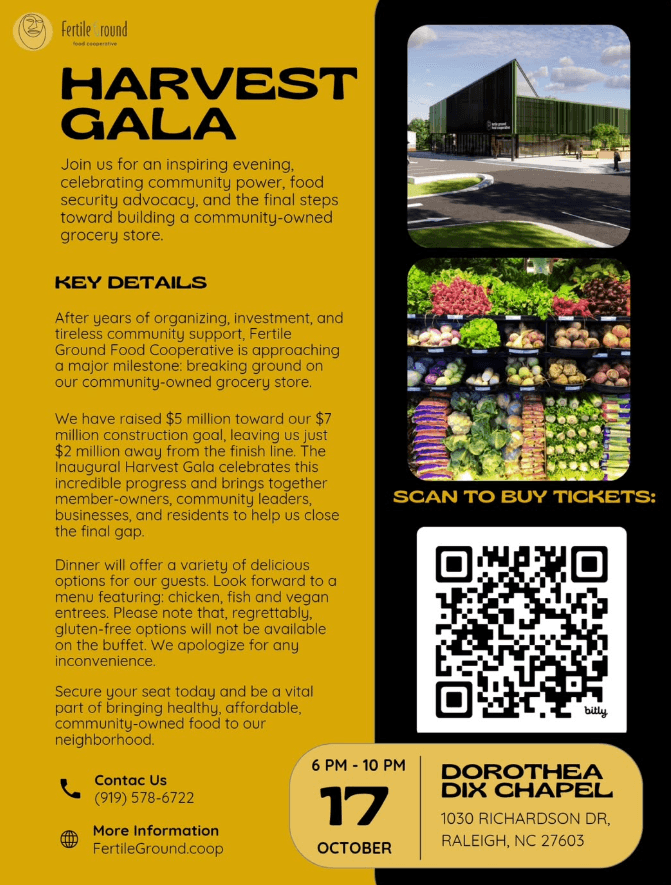
Now, on the cusp of our groundbreaking, we are hosting our inaugural Harvest Gala in October 2026. This event will both celebrate and raise funds for our store. The gala’s keynote speaker, Malik Yakini, has over 35 years of experience building food security in Black communities and is the former Executive Director of Detroit Black Community Food Security. Additionally, we are teaming up with Andre Johnson Architects to create an Architecture Design Challenge for students grades K–12. The students will design a community-owned grocery store and gathering space, and the winners of the competition will be celebrated at the gala.
Challenges
Historically, most food co-ops have been located in affluent, white communities. Census data on race, income, and education levels, as well as the performance of other co-ops situated in communities with similar demographics, were used to estimate the amount of business a co-op could expect. These tools of financial analysis were inadequate to accurately measure the opportunities and challenges for co-op development in communities of color.
To address these limitations, FGFC, with the pro bono help of consulting firm HR&A, developed a new form of financial analysis we call a liberatory market study. The liberatory market study combined an analysis of the ways traditional methods justified food apartheid with a more detailed demographic analysis. One surprising finding was that all those surveyed, after being told of FGFC’s mission, said they would be willing to spend more for groceries to support such a community-owned store.
Another part of proving feasibility is demonstrating our ability to access major funding. In 2021, Fertile Ground secured $5 million in capital investments from our member-owners, funders, and supporters. We launched our Capital Campaign in phases with the goal of raising $13 million to build our store of which $8 million is needed for construction. Our goal is to open the store with minimal to zero debt to member-owners.
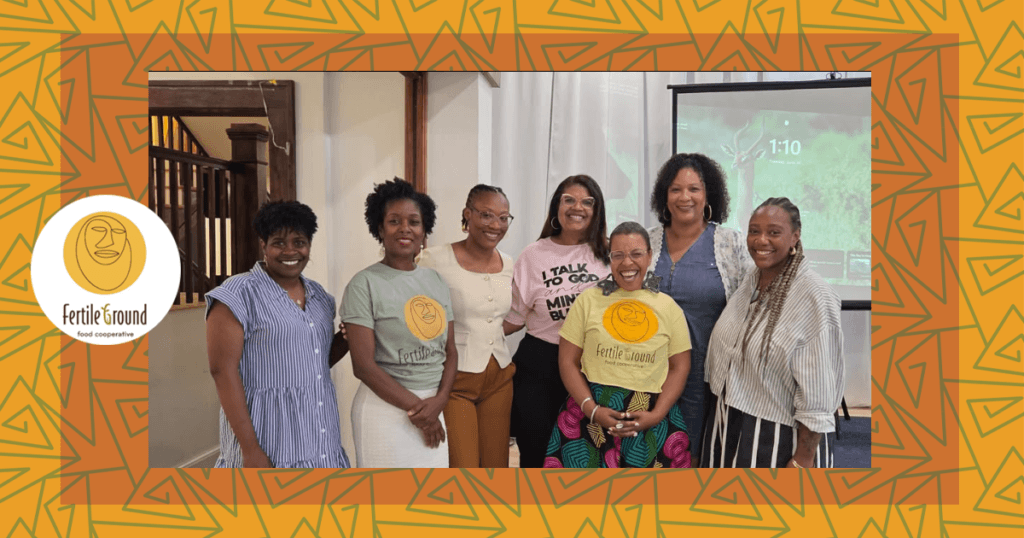
We’ve come a long way and with the hard work of our Board of Directors and member-owners, we now have the capacity to move into the next phase of development. We must meet our goal of raising $8 million in funds to open our store, recruit new member-owners, and meaningfully engage existing member-owners in our vision.
Please feel free to reach out to our Communications Manager, Benjamin Jones, at bejones@fertileground.coop with any questions or concerns.
In cooperation and gratitude,
Erin Dale McClellan, President, on behalf of the Fertile Ground Board of Directors
Board Members (September 2026)
Erin Dale McClellan, Samone Bullock-Dillahunt, Wanda Cox-Bailey, Kenneth Elliot, Clarence Dyson, Meisha Gayle, Anthony Jenkins + Jenn Truman