By: Dr. Rania Masri, NCEJN Co-Director of Organizing and Policy
It was a similar scene.
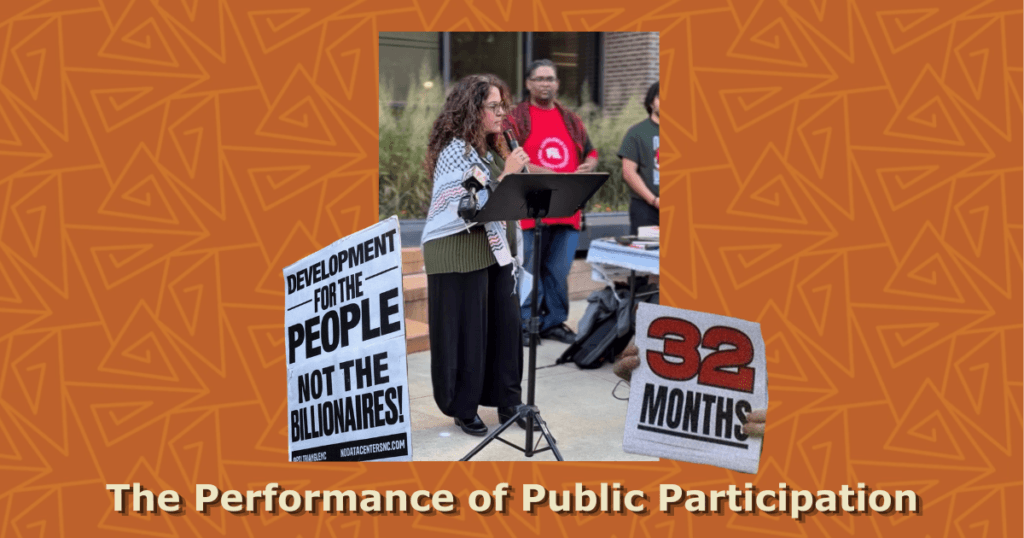
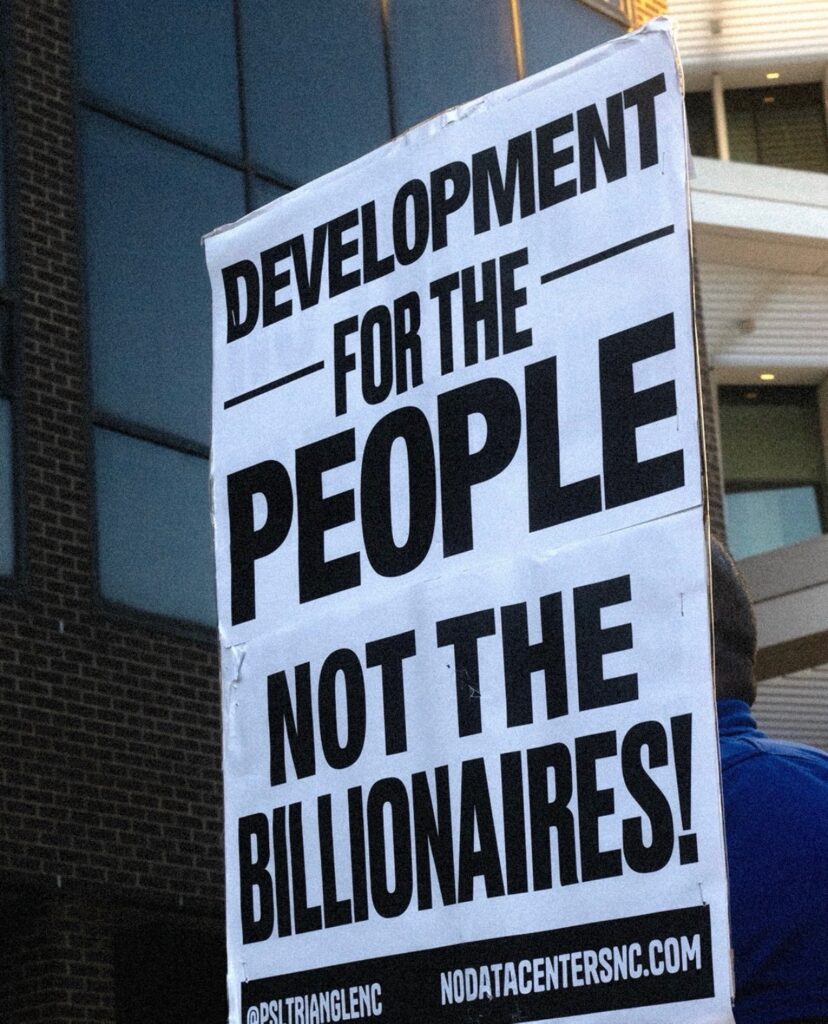
We filled the city council. We held up the posters. We signed up to speak. And every single speaker raised issues, bringing up solid scientific, economic, and ethical concerns about a certain policy action to be taken by the elected representatives. This time, we had 2 minutes each. At other times, we’ve had three minutes, and sometimes only 1 minute.
And then the staff attorney is brought forward, and they are questioned by the representatives. The staff attorney is believed and trusted, viewed as the only expert in the room, irrespective of their many false or misleading comments.
When we speak out, we are silenced, told by our elected representatives that they are engaging in a conversation. A conversation with whom? Not us. Did we elect the staff attorney?
And, then, the elected officials vote – disregarding the concerns from their very constituents – and vote for the very policy action we had all opposed.
But, they are happy. They call it a successful public engagement. They did hold a hearing. They did hear us speak. Another checklist.
Sound familiar?
This scene has been repeated, over and over.
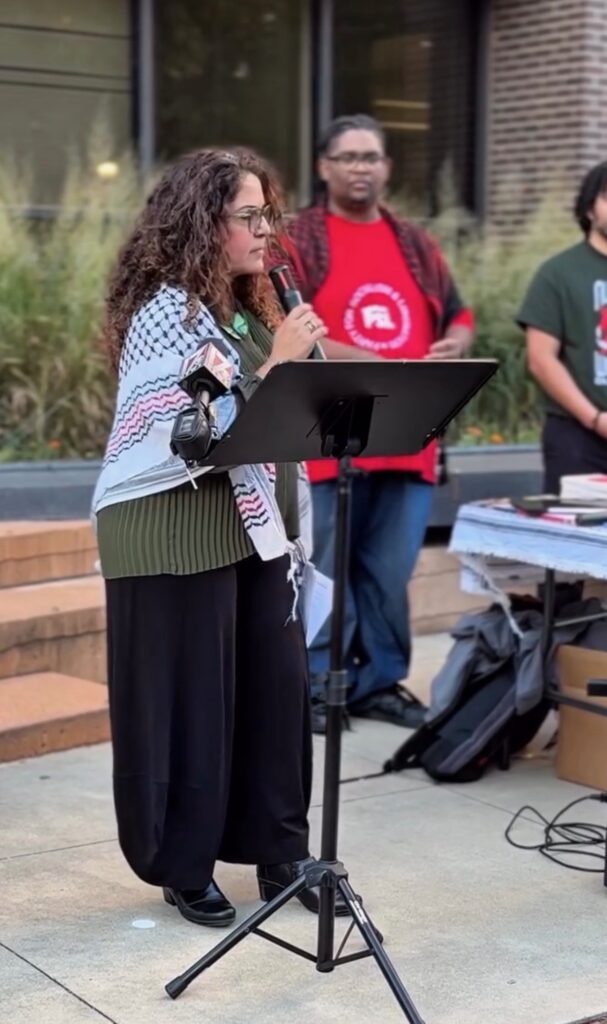
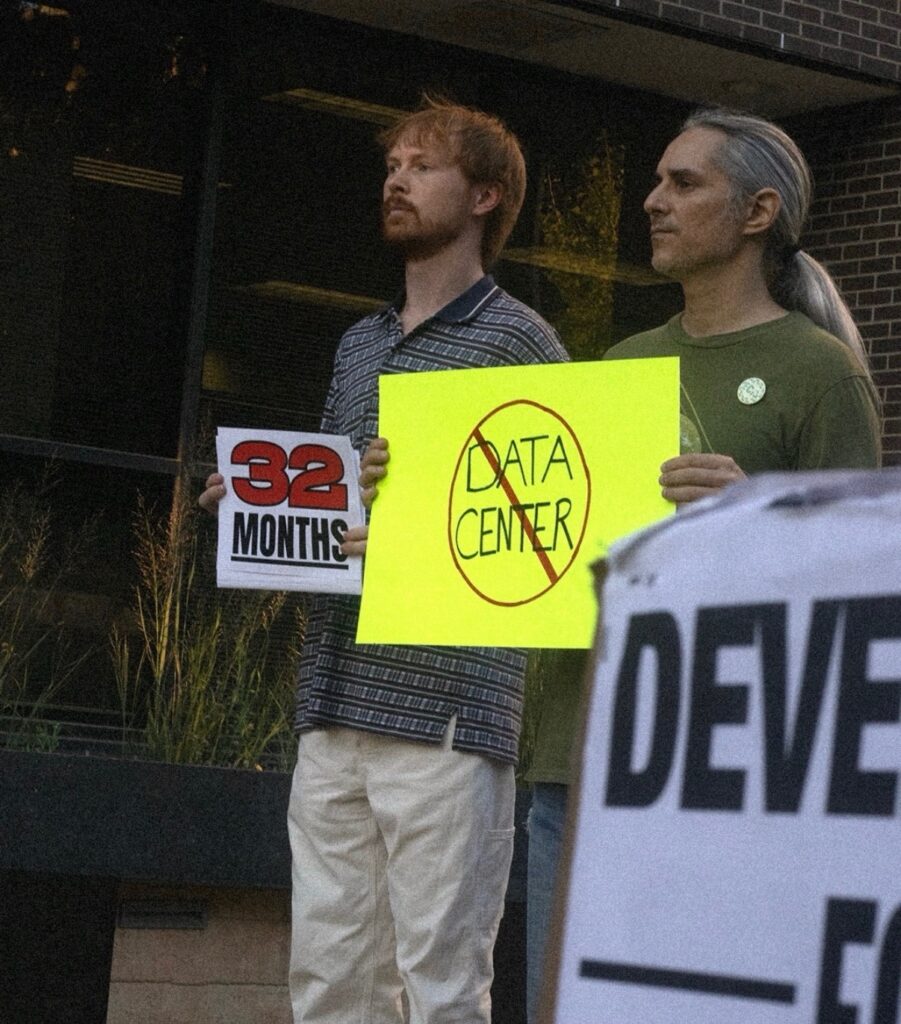
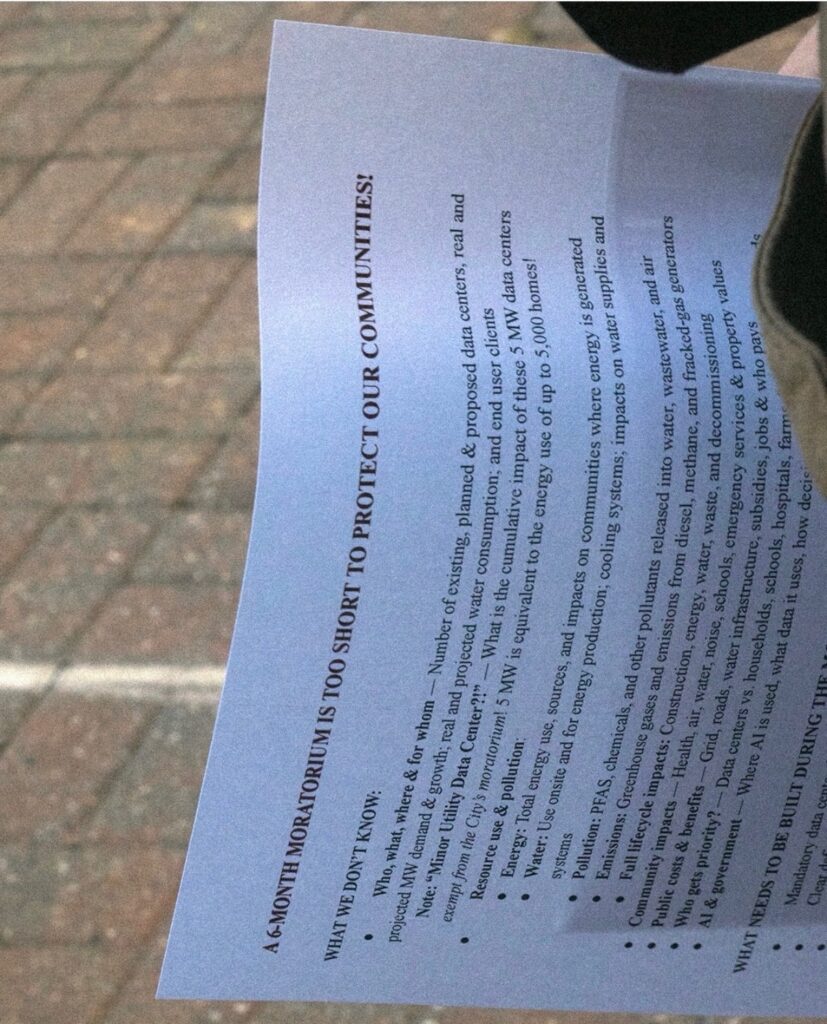
On Tuesday, October 6, at the Raleigh City Council, not one speaker spoke in favor of the City Council’s moratorium. All asked for a 32 month moratorium. (You can read my public comment here, and see some of our issues with the Raleigh City Council moratorium here.) And, still, the 6-month moratorium, with an exception for 5 MW data centers, passed, with only one dissenting vote. (Appreciation to Christina Jones for being that dissenting, representative vote.)
Previously, we had flooded the Durham County Commissioners’ public hearing. More than 30 speakers spoke against their farce of a moratorium—one that exempted data centers up to 100,000 square feet! And still, the County Commissioners approved it, again with only one dissenting vote. (Recognition to Nida Allam for being that lone, representative dissenting vote.)
There are other scenes, such as the Richmond County DEQ public hearing for the offensive and dangerous air permits requested by Duke Energy and Amazon. Same conclusion. (Fortunately, for us all, SELC is now suing.)
Such performative democracy.
Until when?
We need to fight not only the extractive, toxic projects themselves, but also the process that allows those projects to move forward despite overwhelming public opposition.
We need more than the appearance of public participation. We need actual democracy—where public input matters, where elected officials are accountable to the people who elected them, and where our voices have the power to change the outcome.
Not a hearing for the sake of having a hearing. Not public comment for the sake of checking a box. Not democracy as performance.
Actual democracy.
And we need to be organizing to achieve that transformation. With the revolutionary vehemence that we can build it. And the strategic wisdom to carve that pathway.
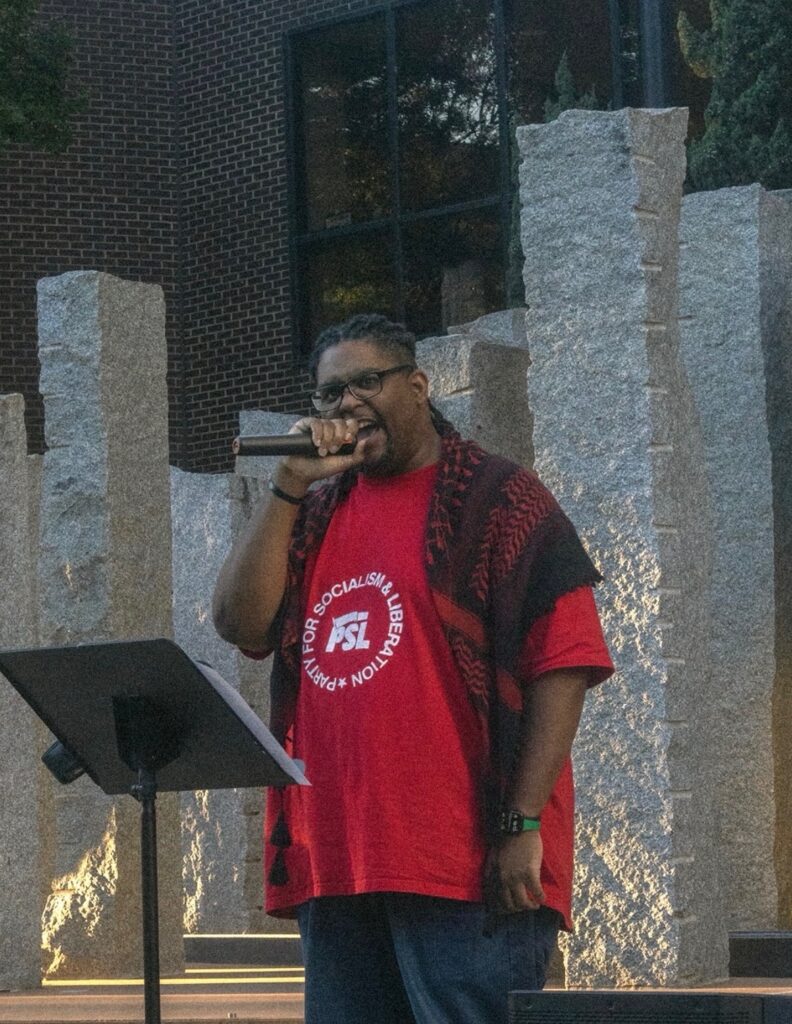
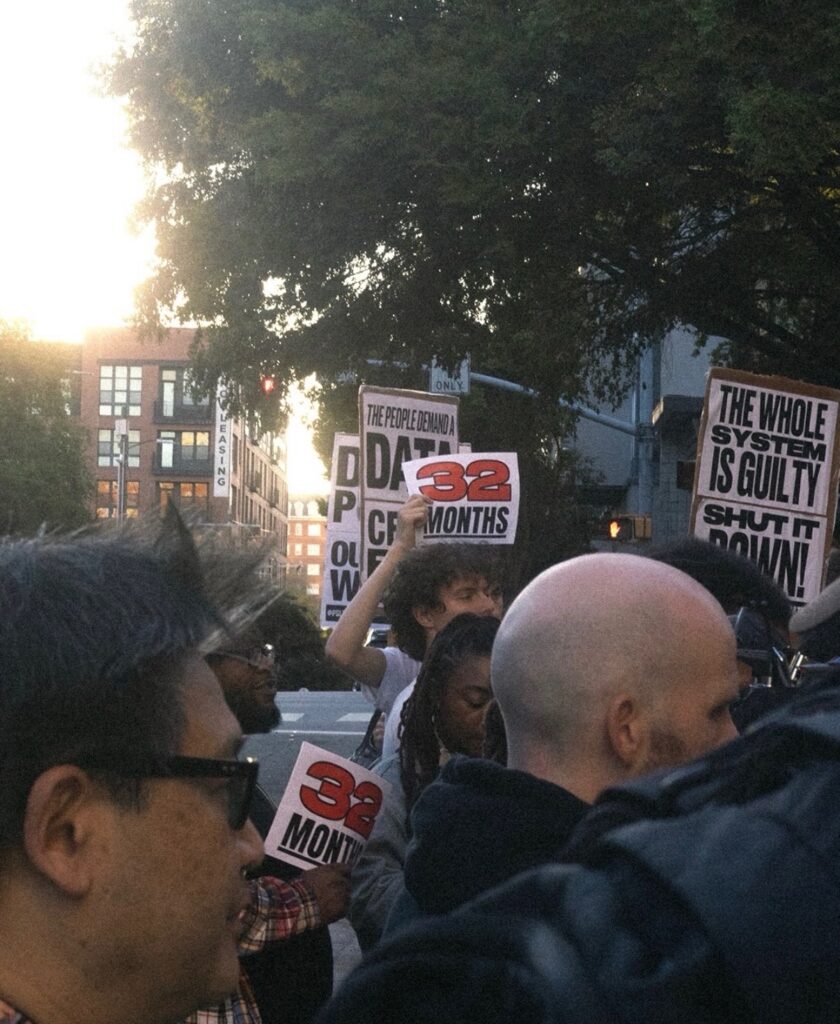
Images from YDSA at NCSU and tinymictalk on Instagram.