Chris Lamont Brown, NCEJN Co Director
On Monday, Warren County Board of Commissioners unanimously voted to reject a text amendment to their solar ordinance, effectively ending a 900-acre solar project that was initiated prior to the ordinance’s adoption in 2022.
What was being proposed to the commissioners was to change their solar ordinance which has two key restrictions on their development:
- Solar developments can’t be larger than 150 acres
- New developments can’t be within 5 miles of an existing solar farm
These restrictions within the ordinance limit the type of solar designs that generate most of electricity for the state: utility-scale solar projects. Utility-scale solar projects generate at least 1 Mega-Watt make up about 9% of the total energy generated in North Carolina. The proposed project would generate an estimated 160 Mega-Watts, or enough energy to power 38,000 homes and take up two 450 acre tracts of land. While the focus in the ordinance is the amount of land, the increased size does not necessarily equal increased hazards. The inclusion of “setbacks” to make sure projects aren’t visible and vegetation to reduce soil erosion and runoff are design features that reduce the negative impact to neighbors and were also included in the text amendment.
Over the last year, our friends at The Center for Energy Education had been diligently attending Warren county commission meetings to follow the ordinance development. The loudest voices in the room were from a white couple that had ties to the 1982 protests and opposed utility-scale solar. They used their moment in EJ history and misinformation to start an aggressive anti- utility-scale solar campaign that effectively rallied the largely white residents of Lake Gaston to fill the commission meetings and threaten to vote out the majority-Black commission leadership if they supported this solar project. They used the words of environmental justice, but in virtue was a Not In My Backyard campaign.
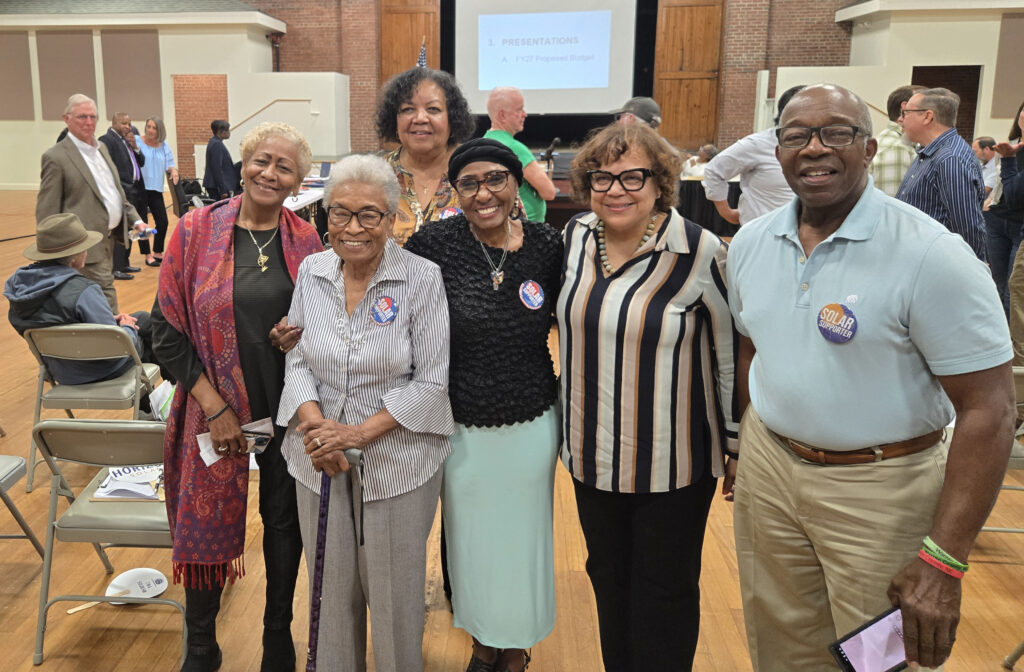
Our goal was to represent environmental justice adequately, and provide our folks in Warren County with a breakdown of the solar project so they could make informed decisions and help them provide public comment on the May 4th hearing. EJ leaders in Warren County provided public comments, including Dollie Burwell, Eva Clayton, and Rev. Bill Kearney. I submitted a comment letter that used the 17 Principles of Environmental Justice as the framework to assess whether or not the project was just or was just another hazard coming to Warren County. The letter was signed by 192 EJ leaders from across the country, including 45 Warren County residents to support the text amendment, and many of you in our network (thank you!).
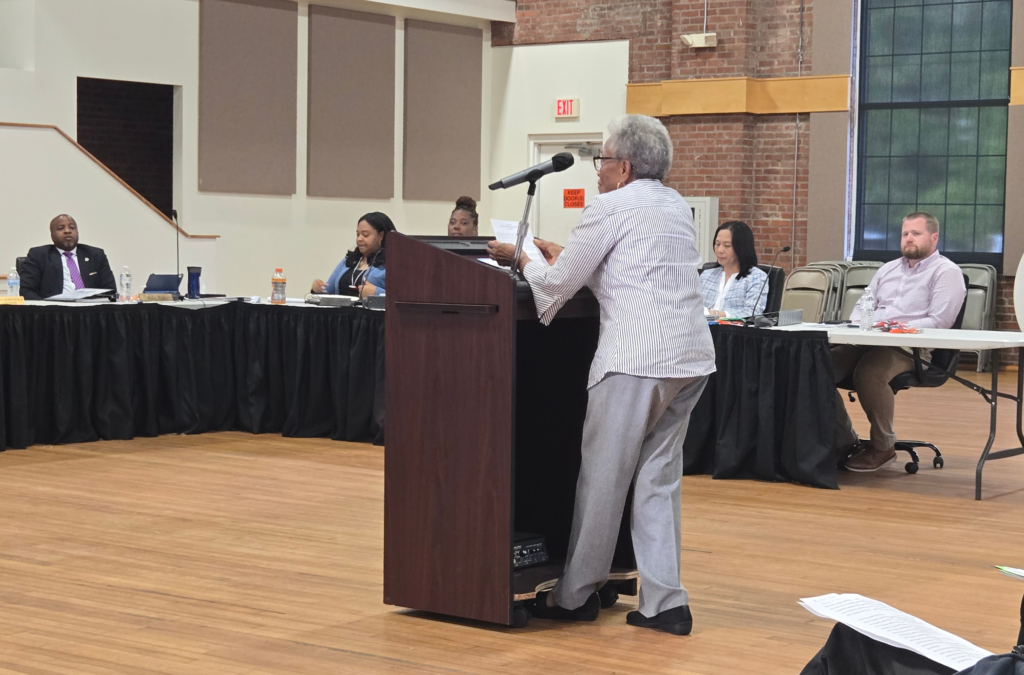
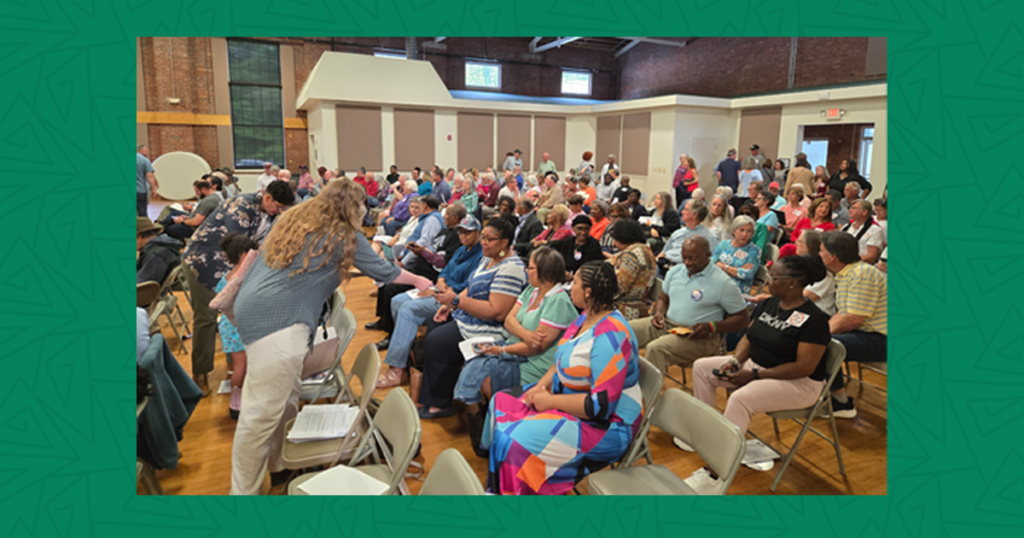
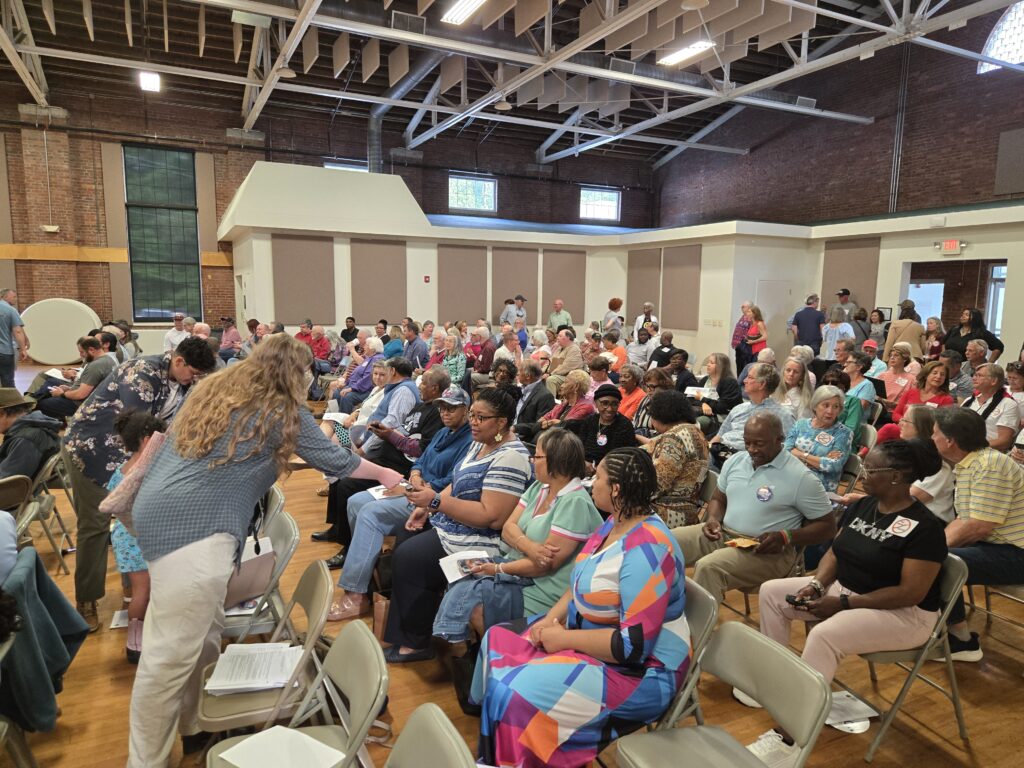
At the hearing on Monday it was clear that the room was divided, but unfortunately, not down the middle. Over 100 people were in attendance and 41 provided a public comment, with the majority advocating to reject utility-scale solar. The general concerns from the public included lithium battery leakage, soil erosion and stormwater runoff, concerns for wildlife, insufficient community benefits like tax revenues, and the possibility of it leading to the development of data centers. In reality, these concerns can be mitigated with appropriate design and planning, and specific ordinances against data centers.
In the end, many people said that they were not against solar, just the large projects. However, ordinance restrictions like the ones in Warren County limit the investment of a just transition that would benefit all residents. The Center for Progressive Reform studied the impact of restrictive ordinances in renewable energy. They investigated a few factors: the social vulnerability (a measurement of race, income), energy burden (how much of a household’s income goes toward energy bills), and the number of renewable energy restrictions. Warren County was found to have higher numbers of local restrictions on renewable energy in communities facing tough socioeconomic challenges and relatively high energy burden (see full interactive map here).
White folks in Warren County successfully co-opted environmental justice to make the claim that utility-scale solar was a hazard to residents. However, the case here is for energy justice, because their opposition denied the opportunity for residents that were famously dumped on by the PCB landfill to participate fully in the benefits and opportunities of solar projects.
Our work here is not over. This is an opportunity for our environmental justice and climate justice advocates to work together to help communities benefit from a just transition from fossil fuels, one ordinance at a time.